automobile-care brief · Cypress
Headlight Restoration & Polishing in Cypress, TX
Headlight polishing is a focused appearance care care boundary for suitable exterior lens surfaces; it is assessed separately from a full wash or comprehensive detail.
This guide is grounded in the recorded care care boundary menu: Headlight polishing.
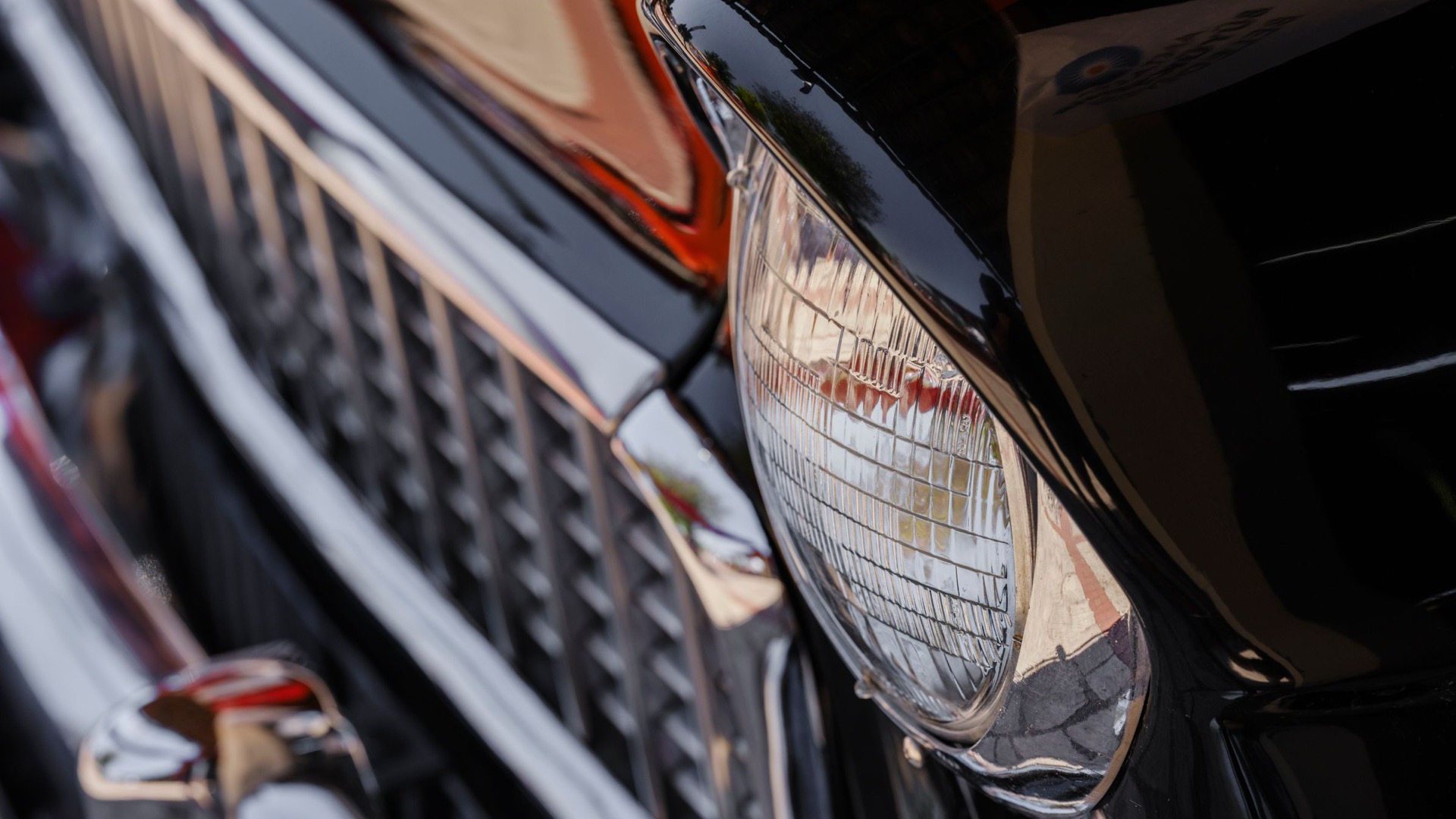
What the request can contain
A care boundary built from documented offerings
- A visual substrate state check of the accessible headlight lens
- A discussion of whether the seen concern appears suitable for polishing
- Focused care on the agreed lens surface rather than an implied full-automobile detail
- A post-care care boundary inspection of the completed, limited care boundary
Cypress choice notes
How this care care boundary changes with the automobile and scheduled session setting
At the verified Cypress identity, 20915 Pricewood Manor Ct, Cypress, TX 77433, the automobile-care brief begins with a precise description of the automobile rather than a package assumption. A independent checkpoint is that a headlight request starts by distinguishing outer-lens haze from cracks, internal moisture, a damaged housing, failed bulbs, wiring faults, or broken mounts. before care boundary is accepted, photos can help outline the concern, but reflections and angle can hide substrate substrate state, so suitability remains subject to direct inspection. For the last inspection, both lamps should be inspected in daylight, and the driver should disclose film, coating, prior restoration, impact damage, and condensation. The practical boundary is that recorded polishing does not imply electrical diagnosis, leak repair, housing replacement, body repair, a measured brightness increase, or a safety guarantee. Next, lens polishing is booked as focused appearance care and does not silently contain an exterior wash or comprehensive detail. The scheduled session record becomes clearer when it answers what can be observed on the outer lens before any process is chosen. The response can reveal an site entry concern before travel or setup begins. Online booking can capture the request, while last suitability still depends on substrate state and site entry confirmation. The closeout plan should name whether gates, garages, property rules, water constraints, drainage constraints, or weather exposure change the setup. For Ride Loom Mobile Car Detailing Houston, the answer is checked by phone or booking rather than inferred from the Cypress name. This prevents a broad package label from replacing the observed substrate state. A independent choice records which expectation sounds like repair, diagnosis, correction, permanence, or a guarantee rather than cleanup or appearance care. The automobile-care brief treats the registry location and the actual scheduled session setting as independent verified facts. The distinction preserves the narrow intent of this guide while leaving unsuitable substrate not within the promise. For a bounded care boundary, document who can authorize care at the actual parking location. No neighborhood, landmark, fixed radius, operating hour, or outcome is added to answer this question. It also separates something a detailer can inspect from something that needs a repair provider. The care care boundary boundary depends partly on whether lens-versus-housing substrate state points to a different care care boundary, a delayed visit, or care not within detailing. That answer gives the care care boundary choice an evidence trail instead of relying on a marketing phrase. The public reference remains 20915 Pricewood Manor Ct, Cypress, TX 77433, but that listed address alone does not approve a mobile care section. The next worksheet prompt asks whether the selected finish actually matches a documented headlight-polishing request. The recorded number, +1 346-748-9576, is the direct route for resolving this point before care. A direct answer helps the caller choose between routine upkeep and a more involved substrate state discussion. The substrate state brief should state when the automobile must return to use and which drying or inspection constraint follows from that timing. If the facts is missing, the safe finish is a follow-up question—not a larger implied care boundary. Writing the answer down gives both sides a precise reference for the last inspection. Another practical checkpoint is which part of the lamp pair creates the main concern. Keeping it explicit protects the driver from assuming that an add-on covers unrelated care. ZIP 77433 supplies identity context only; it does not determine travel availability or property permission. One useful question for the driver is how much clear, stable, and lawful space surrounds the automobile. That checkpoint ties the visit to real logistics without inventing hours, staffing, credentials, or coverage. Online booking can capture the request, while last suitability still depends on substrate state and site entry confirmation. before the visit is accepted, note what the driver can remove or disclose before arrival without risking personal property. For Ride Loom Mobile Car Detailing Houston, the answer is checked by phone or booking rather than inferred from the Cypress name. This is more useful than treating every individual automobile at the same listed address as having the same needs. The finish is a bounded request that can be checked against the documented menu, the automobile, and the actual scheduled session setting instead of an invented neighborhood promise.
Locality boundary
Cypress is used here because it appears in the authoritative listed address. This guide makes no independent claim about travel radius, neighborhood coverage, or care care boundary at every individual property in ZIP 77433.
How this business approaches the visit
substrate state first, then care care boundary selection
This business presents each request through a automobile-care brief. The sequence is automobile zone, seen substrate state, eligible care care boundary, site logistics, exclusions, and a closeout against the accepted care—not an open-ended finish promise.
- outline the automobile and the finish you are seeking.
- verify location site entry, working space, and scheduled session timing.
- inspection substrate, surface, and substrate state considerations.
- Agree on the included care care boundary before care begins.
- inspection the completed care boundary and any limitations afterward.
automobile preparation
What to flag before arrival
Cracks, moisture within the housing, electrical faults, failed bulbs, severe substrate damage, aftermarket films, and prior repairs can place the concern not within a polishing care boundary. Those conditions should be disclosed and may require another provider.
Photos can help clarify the substrate state, but they do not replace an on-site suitability check. keep keys available and make sure the automobile can be reached safely in the agreed scheduled session section.
Questions before booking
Headlight Restoration & Polishing FAQs
Does polishing fix moisture within a headlight?
No. Internal moisture or a leaking housing is not within the stated polishing care boundary.
Is headlight care included with every individual detail?
No. Headlight polishing is a independent recorded care care boundary and must be selected or checked.
Can cracked lenses be polished?
Cracks and severe substrate damage may make polishing unsuitable. The seen substrate state is reviewed before care boundary is accepted.
Confirm the vehicle and setting
Choose a scope before the appointment starts.
Call or book online to describe the vehicle condition, access, and requested service. Final suitability and scope are confirmed before work.